Uncovering the History of Dogs: From Wolves to Man’s Best Friend
History of Dogs from Wolves
Uncover the Ancestral Origins of Canines: Tracing the Fascinating Journey of Dogs
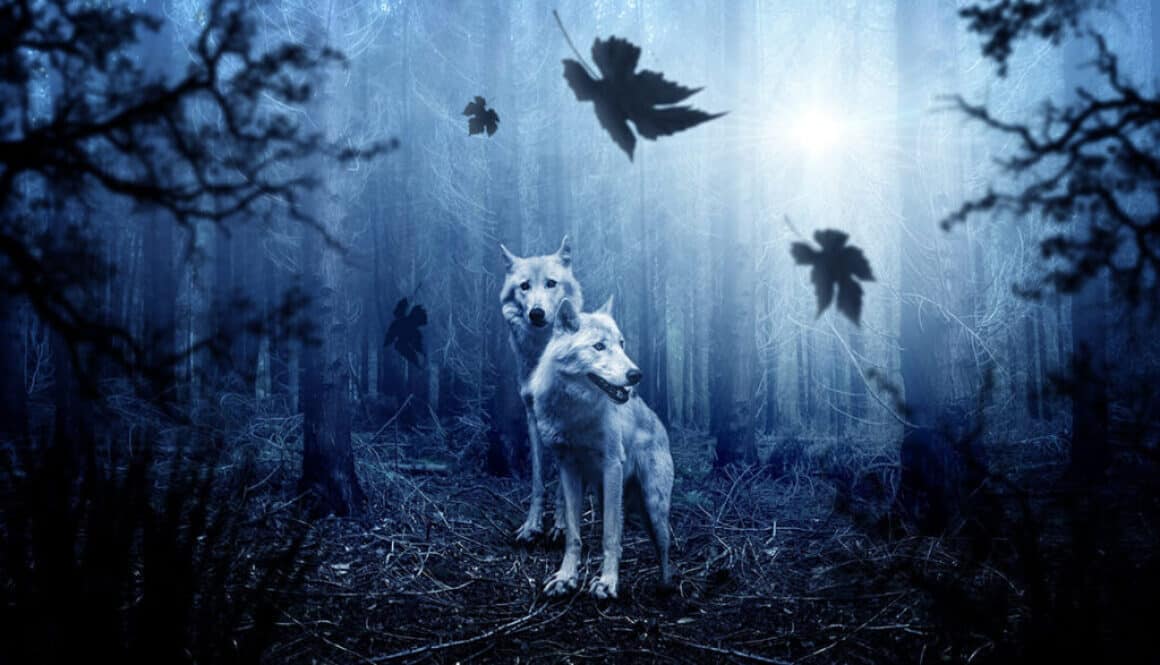
40,000 Years Ago – Wolves – Through DNA analysis, it is believed that nearly 40000 years ago, wolves began to be domesticated and eventually evolved into what we today call dogs. Some scientists suggest that domestication originated in East Asia, while others argue it may have occurred in the Middle East or Europe.
Canis Lupus
The domestic dog, scientifically known as Canis lupus familiaris, has a storied past that meshes closely with human history.
Wolves
Historians and scientists alike have long been intrigued by dogs’ journey from wild wolves to Man’s Best Friend. Experts agree that dogs clearly evolved from wolves, but the details of this transformation are complex and filled with fascinating theories.
Bonn-Oberkassel Dog
The earliest archaeological evidence of a domesticated dog dates back to the Bonn-Oberkassel dog found buried with humans around 14,220 years ago. This discovery marked a significant point in the history of dogs, providing a clear starting point for their divergence from wolves. However, genetic studies suggest that the separation between dogs and wolves could have occurred even earlier, with estimates ranging from 27,000 to 40,000 years ago, before the Last Glacial Maximum.
Domestication
The domestication process is believed to have started when a population of wolves began associating with human hunter-gatherers. Over time, these wolves evolved into a distinct species due to behavior, morphology, and genetic changes. The less aggressive, more human-friendly wolves likely had a survival advantage, leading to gradual domestication through natural selection.
The exact location of this domestication is still debated, with theories proposing Central Asia, East Asia, and Western Europe as potential sites. Genetic evidence points to an initial wolf population splitting into East and West Eurasian wolves, which were domesticated independently and gave rise to distinct dog populations before going extinct.
Transitioning from Nomadic Lifestyles to Settled Agricultural Societies
As humans transitioned from nomadic lifestyles to settled agricultural societies, dogs played various roles, from hunting companions to livestock guardians. Their adaptability and utility made them invaluable to early human societies, cementing their place as a domesticated species.
Flight distances likely kept wolves away from humans, but it is said that the flight-distance instincts between wolves and humans eventually decreased. This means that wolves were no longer scared of the smell or approach of humans, and so began the bridge or gap between wolves and the dogs we call them today. Again, this is mostly theory, but these theories were gathered over the years from experiments conducted by scientists seeking to domesticate wild foxes. These scientists observed that foxes most comfortable to approach humans were also very good at picking up on social cues.
Historians again hold two completely different beliefs about how wolves were domesticated. On the one hand, they tell us that wolf pups were taken from their litters, trained for specific roles, and eventually domesticated. On the other hand, many say this would have been unlikely because the beast was a wolf.
The second thesis is that as man became more settled and began leaving or discarding food waste around their property, wolves, being scavengers, saw this as an attractive source of food. This theory has some wanting us to reflect on the idea that most animals, including wolves, being afraid of humans, possess a natural “flight distance” that causes them to flee when they see, sense, or smell humans.
The History of Dogs
The history of dogs is a tapestry woven from strands of archaeological findings, genetic research, and anthropological studies. While much has been learned about dogs’ origins, a shroud of mystery still surrounds the precise moments and mechanisms of their evolution from wolves.
Scientists and researchers agree that most domestication occurred when humans were hunters and had a migratory lifestyle. This meant that as humans migrated, so did their canine counterparts. Later in the years, with the start of trade networks, not only did the human population mix, but so did dogs.
Man’s Best Friend
What is clear, however, is the enduring bond between dogs and humans, a relationship that has endured and continues to evolve.
Dog Breeds 101 Videos
Would you like to learn more about different dog breeds or find out which breed is right for you? Check out our selection of Breeds 101 Videos comparing many different dog breeds.
Learn More About Dogs
Understanding the history of dogs helps us appreciate the remarkable bond that has developed between humans and canines over thousands of years. From their origins as wolves to their roles as hunting partners, guardians, working dogs, and beloved family companions, dogs have adapted alongside human civilization in extraordinary ways.
If you would like to learn more about different breeds and their unique characteristics, be sure to explore our Dog Breeds 101 Videos. These videos compare a variety of breeds and can help you determine which breed may be best suited to your lifestyle and goals.
Whether you are interested in a family companion, a working dog, a personal protection dog, or a puppy to train from the beginning, understanding a breed’s history and purpose can help you make a more informed decision.
Contact us at Toronto K9 Center if you would like to get a Puppy or Dog with or without our Training.