Dewclaws – Do Not Remove Part 2
Dogs Front Dewclaws Part 2 & Video
In Roger Richards‘ second article on Dogs Front Dewclaws, he discusses once again the importance of dewclaws with a brief explanation, but in this article, we present you with a video to help you better understand their importance. If you have not seen our first article on Dewclaws, do so here: Dewclaws Part 1.
What’s all the fuss about – Dewclaws on Dogs?
At Toronto K9 Center, we emphasize the importance of preserving a dog’s front dewclaws. Dogs’ front dewclaws are often misunderstood and dismissed as unnecessary or vestigial. However, we like to keep Dog owners well informed on the significant role these seemingly minor anatomical features play in a dog’s life.
The Anatomy and Utility of Dewclaws
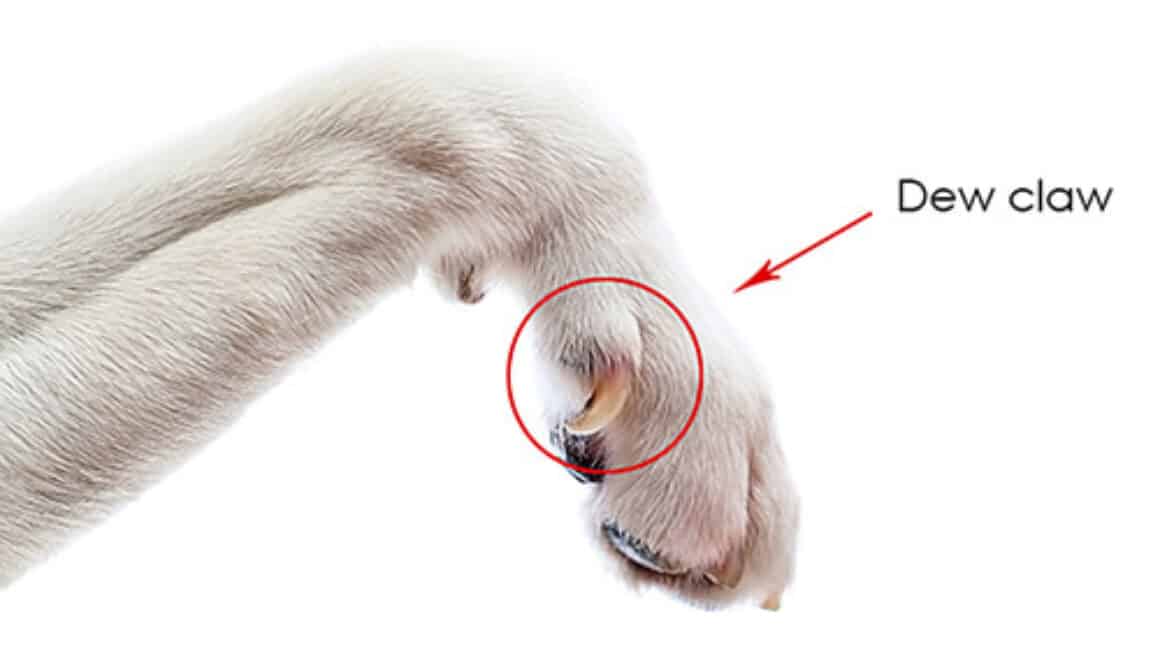
Dewclaws are often compared to a human’s thumb, although not opposable, they are connected to five tendons and play a significant role in a dog’s motion. All dogs are born with a toenail that is attached by bone on the inside of their front legs. It is called a dew claw, and it definitely has a purpose. Some breeds even have dewclaws on all four legs.
The Debate on Removal
The removal of front dewclaws is a controversial topic. While some breeders and owners opt for removal, often due to cosmetic reasons or the belief that it prevents future injuries, Master Dog Trainer Roger Richards, Director of Toronto K9 Center, advocates for keeping them intact.
Contrary to some misconceptions, these dewclaws are not merely vestigial; they serve a crucial function in a dog’s daily activities and overall well-being. The front dewclaws act as an anchor, aiding dogs in stabilizing their wrist joints when they run, turn, or pull themselves up from challenging terrains such as icy surfaces or steep inclines.
These Dewclaws are used by dogs when running, climbing trees, or getting out of water, especially on ice or slippery surfaces. Dogs also use them to hold items as they chew.
When a dog is in a gallop or canter, the dewclaw touches the ground, providing support to the wrist of the lead leg, which is essential for stabilizing during sharp turns. When a dog turns, the front dewclaws dig into the ground to help support the limb and prevent twisting.
The Risks of Dewclaw Removal
Removing these can lead to increased strain on a dog’s legs and potentially cause long-term joint issues, particularly in active or working breeds that rely heavily on these appendages for additional support and grip. The center’s stance is that, unless there’s a medical necessity, the front dewclaws should remain intact to ensure the dog’s physical health and functional integrity.
The front dewclaws of dogs are more than just remnants of evolution; they are functional and necessary for a dog’s overall agility and safety. The Toronto K9 Center’s insights into the importance of front dewclaws challenge the common practice of removal and encourage a deeper understanding of canine anatomy and well-being.
This blog post aims to provide an informational perspective on the importance of front dewclaws in dogs based on insights from Roger Richards at Toronto K9 Center. Dog owners must consider the anatomical and functional significance of these features before making decisions about their removal. For further guidance, consulting with a veterinarian or a canine anatomy expert is advisable.
Watch the video below; you will be amazed at what a dog can do with its front dewclaws.
Man’s Best Friend
Have you heard where this phrase originates from? Check out this Article – Man’s Best Friend
Check out our first article on Front Dewclaws and why you should never remove them: Dewclaws – Do Not Remove Part I